Peptide Storage & Security Reference Guide
Peptide Storage Space & Stability Recommendation Guide Right away after each usage, deposit the syringe directly right into the container. Do not wrap up needles unless essential, and never reach into a sharps container for any kind of factor. Devoted to stability and quality, we sustain scientific research at every scale. Particular commercial tools, instruments, and products are recognized inthis paper to appropriately specify the speculative procedures. Such identificationdoes not indicate suggestion or endorsement neither does it indicate that the devices, tools, or materials are always the very best readily available for the purpose. Maintain the cap clean and completely dry; do not immerse, and avoid getting the cap wet during cleansing. Area the bottle in a stable area so it can not roll. If your kit consists of color tags or tags, designate a shade to BAC water so it's never puzzled with reconstituted vials. Top quality research study peptide providers give items maximized for research laboratory storage space with proper lyophilization procedures, inert atmosphere product packaging, and detailed storage space referrals. Lyophilized peptides stay hygroscopic also after freeze-drying. For multi-vial regimens, a color-coding system avoids mix-ups-- designate colors by compound, by day (e.g., M/W/F), or by patient/lot. Keep an easy type in your situation so any person helping you can comply with the system at a look. Nonetheless, none of these agents breaks peptide bonds, so the key framework of a healthy protein remains undamaged when it is denatured. Always store your peptides in nontransparent or brownish-yellow vials or containers to secure them from the damaging effects of light exposure [3] These particular containers are made to prevent destructive UV rays from ruining your priceless samples. Think of the vials' ability to block light and viability for your certain peptide examples while selecting them. If you wish to maintain peptides for a long period of time, typically greater than six months then Freezing at -20 ° C( -4 ° F)or listed below is appropriate [2] Care ought to be taken, however, with the number of freeze-thaw cycles given that the direct exposure to ice crystals might disrupt the delicate peptide structure. To minimize this danger, consider splitting your peptide examples right into smaller aliquots prior to freezing, only defrosting each time the amount you need per experiment. An inert, insoluble yet swellable polymer resin is utilized and the amino acids are included the C → N instructions. After each coupling action, the Nα-blocking group is eliminated with recurring defense and deprotection steps. LifeTein's peptide synthesis method is totally automated. To prolong the service life of recombinant peptides, it is suggested to store them in aliquots in impermeable containers to decrease exposure to air and impurities. For drawing bacteriostatic water and reconstituting, gauge needles job efficiently. For taking out peptide option, insulin syringe needles (29-31 gauge) reduce stopper damages and coring risk.
What cancels out peptides?
Salicylic acid''s scrubing activity might undercut the peptides, diminishing their skin-repairing advantages. Referral: To avoid any interaction, use salicylic acid and peptide items at various times. As an example, incorporate salicylic acid in your morning routine and peptides in your evening regimen.
Environmental Hazards To Peptide Integrity
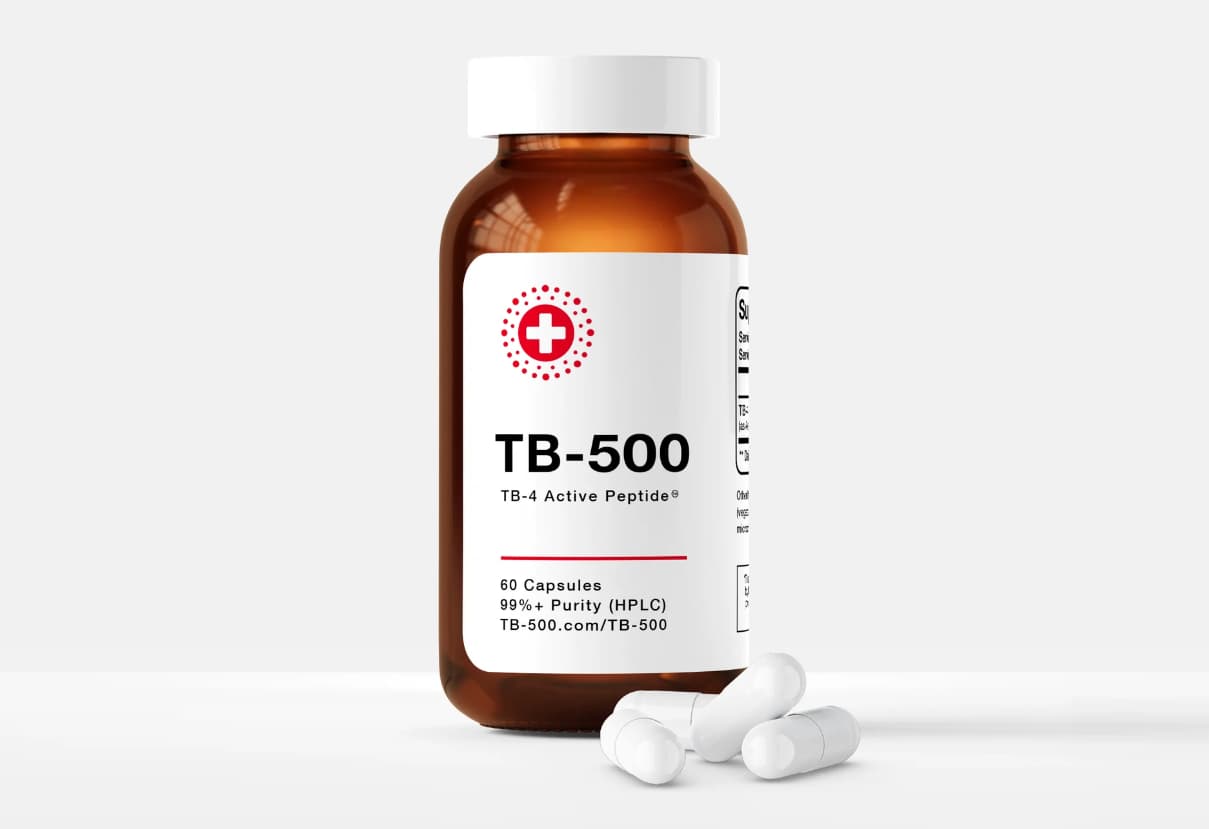
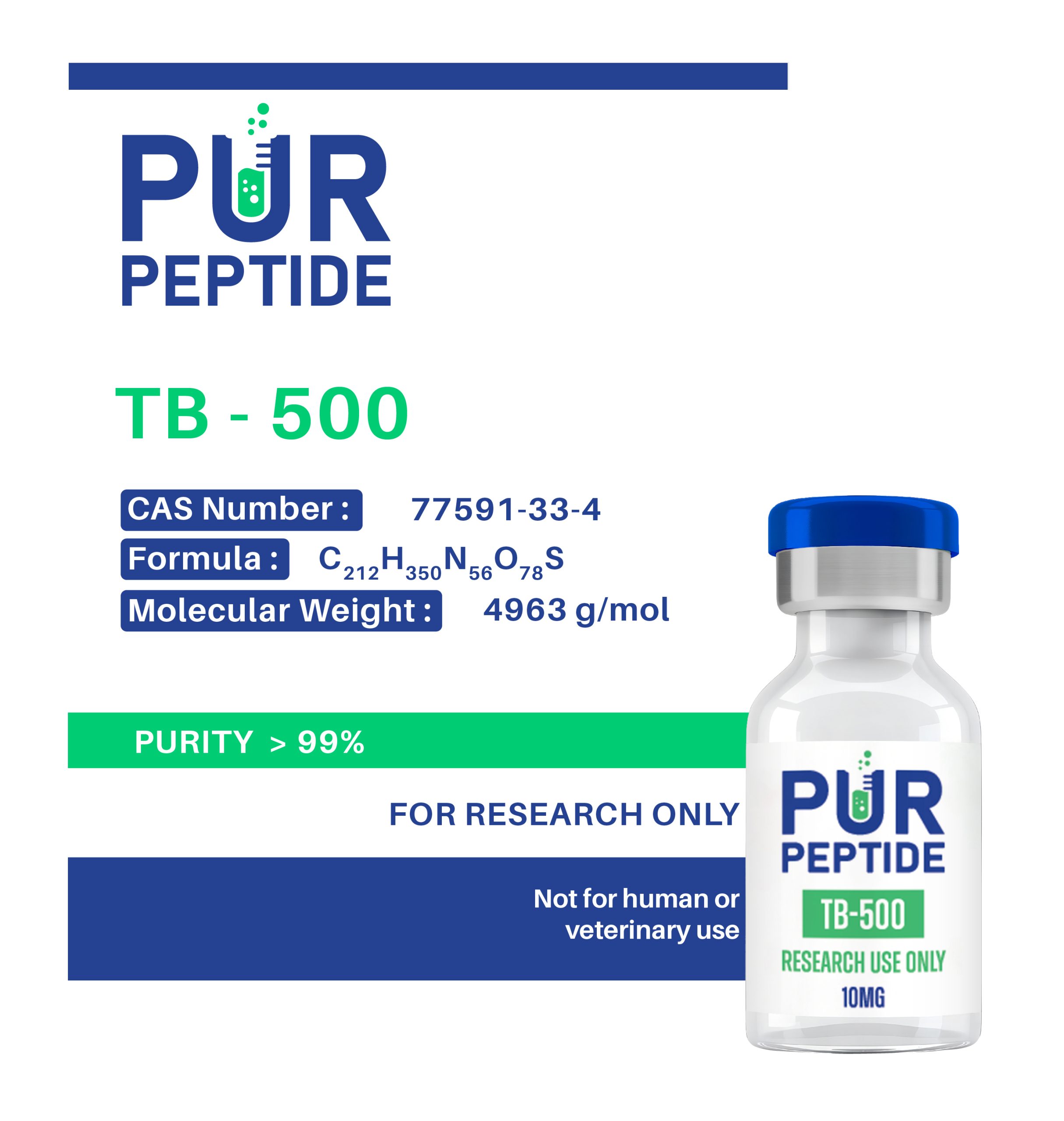
The majority of lyophilized (freeze-dried) peptides remain stable for 2+ years when stored at -20 ° C in a secured vial shielded from light and dampness. Some extremely secure compounds like BPC-157 and TB-500 can last 3+ years under perfect problems. For ultra-long-term archival, -80 ° C storage space can prolong stability to 5+ years. Whether you're taking care of an university lab, biotech facility, or pharmaceutical study program, these scientifically verified storage methods will certainly assist protect peptide security and research study honesty. Peptide security varies significantly based upon amino acid composition and series.Clean And Sterile Lab Handling
- Peptide storage at heats can trigger organic implications such as structural modifications, loss of task, and even coming to be harmful.
- Aspartic acid (Asp)-- especially Asp-Pro motifs-- is specifically hydrolysis-prone.
- Return reconstituted peptides to refrigerated storage instantly after use.
- Kisspeptin-10 remedies can generally be thrown away as routine chemical waste according to your institutional protocols.
- Consider the motion you would certainly use swirling wine in a glass.